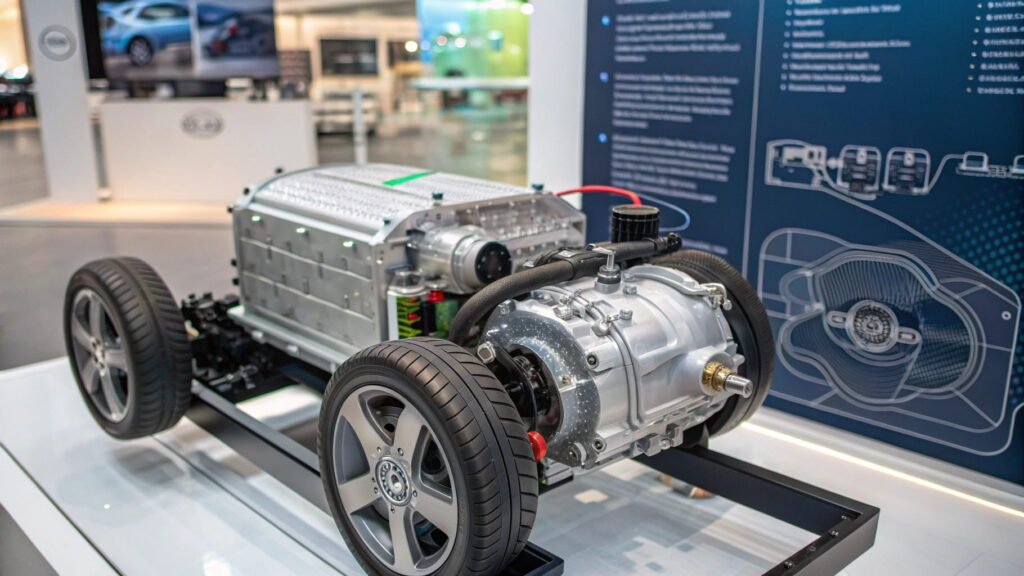
The core technology behind modern electric mobility, enabling vehicles to deliver clean, efficient, and responsive performance. This advanced system converts electrical energy into motion with exceptional precision, making it far more efficient than traditional engines. Through intelligent design and seamless integration, the EV Motor supports smoother acceleration, reduced energy loss, and lower maintenance needs. Its role becomes even more critical when considering EV motor efficiency and long-term sustainability. As innovation accelerates, the electric vehicle motor continues to evolve, improving range, reliability, and driving comfort while shaping the future of transportation for consumers and industries worldwide and beyond.
What Is an EV Motor?
An EV motor is a machine that transforms electrical energy into mechanical movement. It replaces the traditional fuel engine and powers the wheels directly. The electric vehicle motor uses electromagnetic force instead of combustion, which makes it cleaner and more reliable. Because there are fewer moving parts, friction losses are minimal, allowing better performance and longer life.
The main purpose to provide smooth and consistent power. The system works with the battery and controller to deliver energy only when needed. This efficient process explains why electric cars consume less energy per kilometer. The electric car motor system also reduces vibration and noise, giving drivers a quieter and more comfortable ride while improving overall efficiency.
How Does an EV Motor Work? (Step by Step Process)
To understand how an EV motor works, it helps to look at the energy flow. Electricity moves from the battery to the inverter, which adjusts voltage and frequency. This current then enters the motor windings and creates a magnetic field. The magnetic force causes rotation, which turns the wheels.
During driving, the motor constantly adjusts speed using software controls. When slowing down, the system activates regenerative braking in the EV motor, converting motion back into electricity. This recovered energy is stored again in the battery. The seamless flow of power makes power transmission efficient and smooth, improving driving range and battery life.
Types of EV Motors Used in Electric Vehicles
Different electric vehicles use different EV motor types depending on performance needs. Some models use permanent magnet motors, while others rely on induction or synchronous motors. These variations exist because each motor offers unique benefits related to efficiency, torque, and cost. The types of motors used in EVs directly influence driving behavior.
Manufacturers select motors based on vehicle size and performance goals. High-end cars often use advanced motors for better acceleration, while budget models focus on efficiency. The choice of electric motor for cars affects cooling, durability, and power output. As technology advances, newer designs continue to replace older motor systems.
AC Motor vs DC Motor in EVs – Key Differences
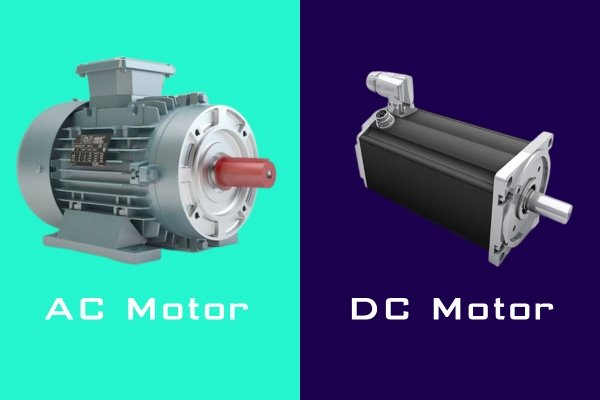
AC and DC motors differ mainly in construction and control methods. AC motors are commonly used because they offer better speed control and durability. DC motors are simpler but less efficient for long-term use. The EV motor vs petrol engine comparison often highlights how electric motors deliver power more smoothly.
AC motors support better EV motor speed control and longer lifespan. DC motors, while easier to build, require more maintenance. Most modern vehicles prefer AC systems because they offer better and smoother driving experience across different speeds.
Permanent Magnet vs Induction Motor in EVs
Permanent magnet motors use magnets to create motion, while induction motors rely on electromagnetic induction. Both designs have strengths depending on usage. Permanent magnet motors offer high efficiency and compact size, making them ideal for modern electric vehicles.
Induction motors, on the other hand, are durable and cost-effective. They perform well under heavy loads and high temperatures. The decision between the two depends on performance needs and budget. Both designs contribute to improved EV motor performance and support long-term reliability.
Main Components of an EV Motor
The EV motor components include the stator, rotor, inverter, and cooling system. Each part plays a vital role in converting electricity into motion. The stator generates a magnetic field, while the rotor spins to create movement. Together, they form the core of the electric vehicle drivetrain.
| Component | Function |
| Stator | Generates magnetic field |
| Rotor | Converts energy into motion |
| Inverter | Controls power flow |
| Cooling System | Prevents overheating |
Ensures stable performance and prevents damage during high-speed operation.
EV Motor Efficiency and Performance Explained
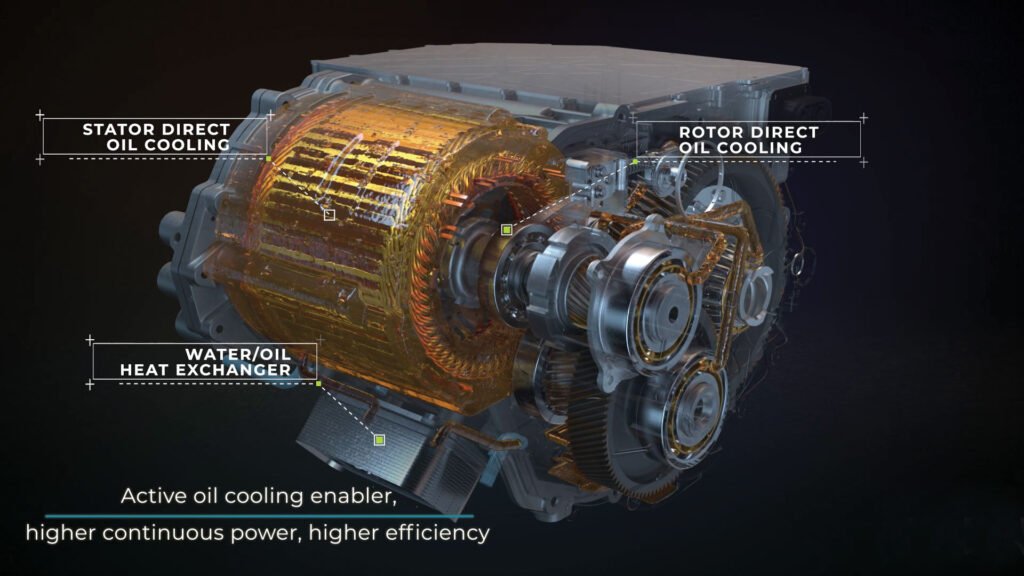
The EV motor efficiency explained concept shows why electric vehicles outperform fuel cars. Most convert over ninety percent of energy into motion. This high efficiency reduces energy loss and improves driving range. Helps reduce battery strain.
Performance remains consistent across speeds due to smart control systems. The EV motor performance analysis shows that electric motors deliver smoother acceleration and better response. This efficiency makes electric vehicles more economical and environmentally friendly.
Advantages of EV Motors Over Internal Combustion Engines
The EV motor advantages include silent operation, instant torque, and low maintenance. Unlike engines, do not need oil changes or exhaust systems. This reduces long-term costs and improves reliability.
The EV motor vs ICE engine comparison clearly shows higher energy efficiency and fewer emissions. Electric motors also offer better control and smoother driving. These benefits make EVs a strong alternative to traditional vehicles.
Common Problems and Maintenance of EV Motors
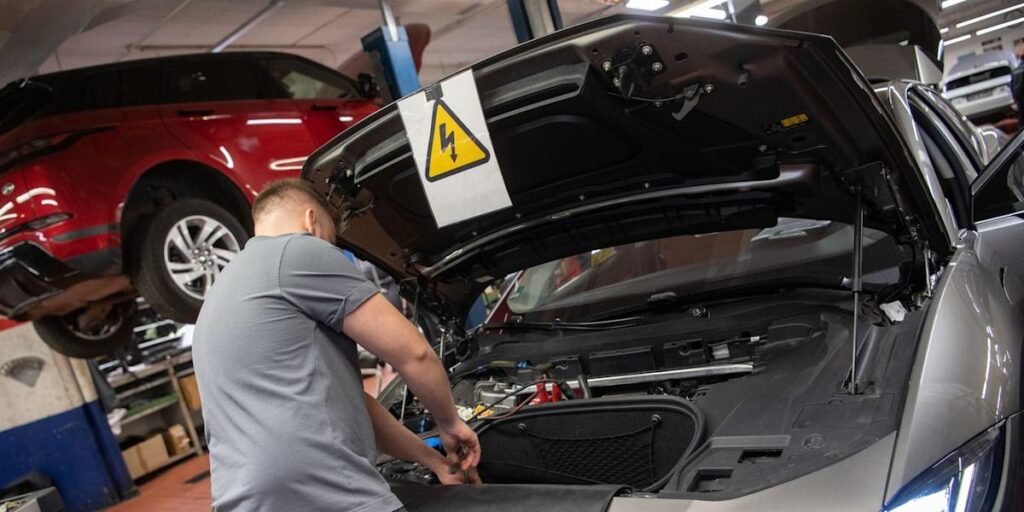
Requires less maintenance compared to fuel engines. There are fewer moving parts, which reduces wear and tear. However, cooling systems and electronic components still need regular inspection.
The EV motor maintenance process mainly involves software checks and cooling system care. Proper servicing increases EV motor lifespan and ensures consistent performance. With proper care can last much longer than conventional engines.
EV Motor Power, Torque and RPM Explained
The EV motor torque is available instantly, which improves acceleration. Unlike fuel engines, torque does not depend on RPM. This makes electric vehicles faster off the line.
The EV motor power output remains stable across different speeds. The EV motor torque delivery ensures smooth driving without gear shifts. This consistent power flow improves overall driving comfort.
Role of EV Motor in Driving Range and Battery Life
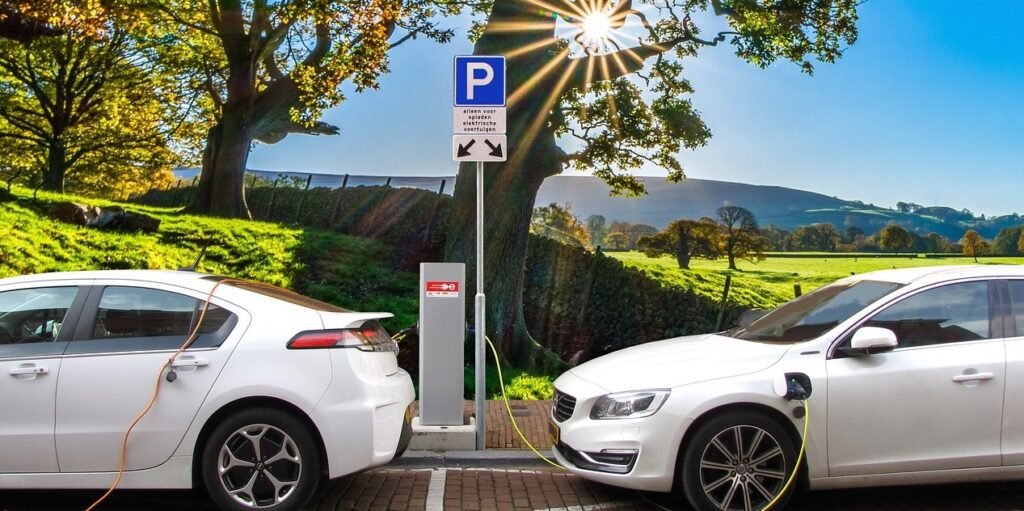
The efficiency directly affects battery range. Higher efficiency means less energy consumption per kilometer. Smart motor control reduces power waste and improves range.
The EV motor efficiency comparison shows that modern designs consume less energy than older models. This efficiency helps extend battery life and reduces charging frequency.
EV Motor Cost and Replacement Price
The cost depends on motor type, power rating, and materials. Permanent magnet motors cost more due to rare earth elements. Induction motors are more affordable.
| Motor Type | Cost Level | Efficiency |
| Permanent Magnet | High | Very High |
| Induction | Medium | High |
Despite higher upfront cost, save money over time due to low maintenance.
Latest EV Motor Technologies and Innovations
Modern technology trends focus on lightweight materials and better cooling. Manufacturers are developing motors with higher efficiency and lower energy loss.
The EV motor future technology includes smarter controllers and improved thermal management. These innovations aim to increase range and reduce production costs.
Manufacturers and Market Leaders

Major companies are investing heavily in technology. Leading manufacturers focus on efficiency, durability, and performance. Their research helps improve global electric mobility.
The demand for better motors continues to grow as electric vehicles become mainstream. This competition drives innovation and improves product quality.
EV Motors in Electric Vehicles
The application in cars defines overall performance and efficiency. From small city cars to high performance vehicles, the motor plays a central role.
The best motor for an electric vehicle depends on usage, power needs, and budget. With continuous innovation, are becoming more efficient, reliable, and affordable for everyday use.
FAQ’S
What is an EV motor and why is it important in electric vehicles?
Converts electrical energy into mechanical power to drive the vehicle efficiently. It is essential because it determines performance, energy efficiency, and overall driving experience while enabling zero-emission mobility.
How does an EV motor improve vehicle efficiency compared to fuel engines?
Delivers power directly to the wheels with minimal energy loss, unlike combustion engines that waste energy as heat. This direct energy conversion significantly improves efficiency and reduces operating costs.
What are the main types used today?
Modern electric vehicles commonly use permanent magnet, induction, and synchronous motors. Each type is selected based on performance needs, cost efficiency, and desired power output for specific vehicle applications.
What factors affect EV motor performance and lifespan?
Motor design, cooling systems, power management, and driving conditions directly impact performance and durability. Proper thermal control and efficient power delivery help extend the motor’s operational life.
Technology critical for the future of electric vehicles?
Technology drives advancements in range, efficiency, and sustainability. Continuous innovation enables lighter designs, higher power output, and improved energy management, supporting large-scale adoption of electric vehicles.
Conclusion
Technology continues to redefine how modern vehicles perform and operate in a rapidly evolving mobility landscape. As manufacturers refine design and software integration, the delivers greater reliability, stronger output, and smarter energy usage. Its connection with EV motor efficiency and the electric vehicle motor ecosystem ensures cleaner transportation and lower operating costs. Looking ahead, innovation in control systems and materials will further enhance performance and durability. With rising adoption worldwide, stands as a cornerstone of sustainable mobility and future-ready automotive engineering across global markets today and tomorrow for businesses and consumers alike everywhere.



0 Comments