Battery electric vehicles are changing modern transportation by offering a cleaner, quieter, and more efficient alternative to fuel powered cars. A BEV runs entirely on electricity, using advanced battery systems to deliver smooth performance with zero tailpipe emissions. As interest in sustainable mobility grows, many drivers are exploring how a BEV fits into daily life, from commuting to long distance travel. Compared to traditional cars, a battery electric vehicle requires less maintenance and lower running costs. With expanding electric vehicle charging networks and improving battery range, adoption continues to rise worldwide, making electric mobility more practical, affordable, and environmentally responsible.
What Is a BEV and Its Full Meaning
A battery electric vehicle is a modern type of vehicle that runs completely on electricity instead of petrol or diesel.Battery Electric Vehicle, which clearly explains how this vehicle works using stored electrical energy. When people search for what is a BEV, they usually want to understand why it is different from normal cars. A BEV does not use fuel, has no exhaust pipe, and produces no smoke. This is why BEVs are often called zero emission vehicles, as they do not release harmful gases into the air.
The battery electric vehicle meaning becomes easier to understand when you look at how clean and quiet these vehicles are on the road. Power comes directly from the battery, which sends electricity to the motor. This clean system makes a major part of modern electric mobility. As cities become more polluted, electric cars are becoming a smart and responsible choice for daily travel.
How Battery Electric Vehicles Work
To understand and imagine using a smartphone that powers a motor instead of a screen. Energy stored in the lithium ion battery flows to the motor when you press the accelerator. That energy moves the wheels using a highly efficient EV powertrain, which replaces traditional engines and gearboxes. This setup reduces friction, noise, and energy loss, making driving smoother and more enjoyable.
Inside every electric motor vehicle, advanced electronics control power delivery to ensure stable performance. When you slow down, regenerative braking sends energy back into the battery. This improves efficiency and helps extend the driving range. The result is a driving experience that feels smooth, quiet, and responsive, even at higher speeds.
Difference Between BEV and Other Electric Vehicles
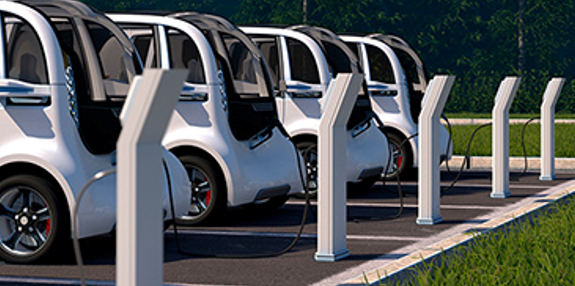
Many drivers still confuse BEVs with other types of electric vehicles, mainly because the names sound similar. The comparison of BEV vs hybrid makes the difference very clear. Hybrid vehicles use both fuel and electricity, switching between the two when needed. On the other hand, runs only on electricity and does not contain a fuel engine at all. This makes cleaner, quieter, and cheaper to run over time because they do not consume petrol or diesel.
When comparing BEV vs ICE vehicles, the difference becomes even more obvious. ICE vehicles rely completely on burning fuel, which creates emissions and pollution. To produce zero tailpipe emissions and operate much more efficiently. The BEV vs PHEV comparison also matters because plug-in hybrids still depend on fuel for longer trips. BEVs rely entirely on charging infrastructure, making them the cleanest option among electric vehicles.
Main Components of a Battery Electric Vehicle
Every battery electric vehicle consists of carefully designed components that work together to deliver smooth and efficient performance. The most important part is the electric battery, which stores electrical energy and supplies power to the motor. Along with the battery, the inverter converts stored energy into usable power, while the motor drives the wheels. These components replace traditional engines, fuel systems, and gearboxes found in petrol cars.
Because they have fewer mechanical parts, they experience less wear and tear over time. This simple design increases energy efficiency and reduces the risk of mechanical failure. Without oil changes, exhaust systems, or fuel injectors, the overall maintenance cost stays much lower. This makes easier to own and more reliable for long term use.
Battery Technology Used in BEVs
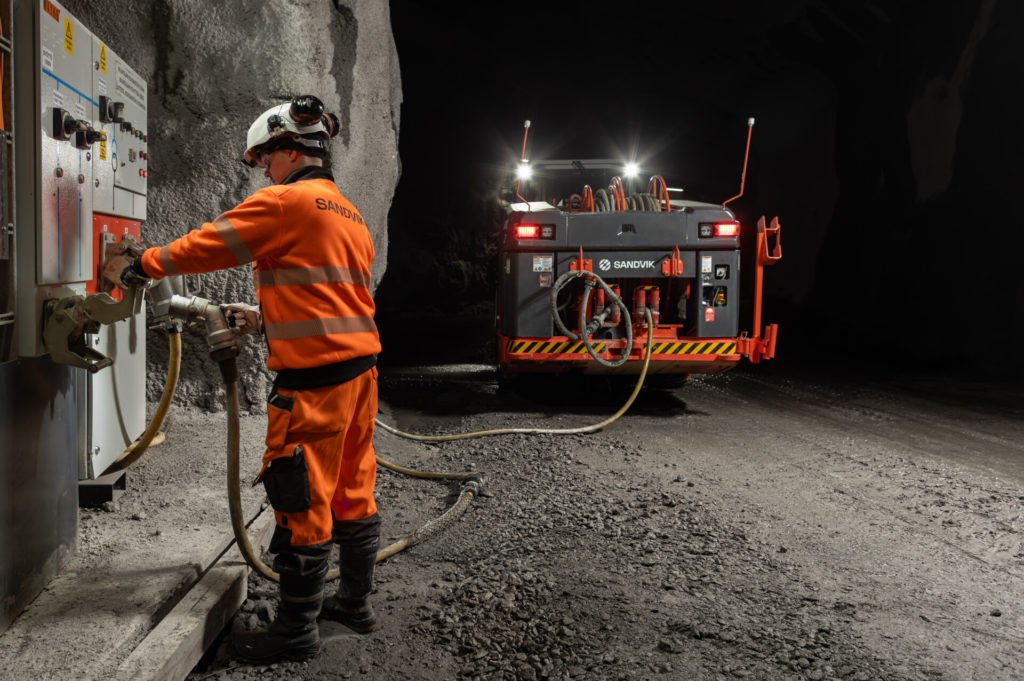
Modern rely on advanced lithium ion battery technology that delivers high energy density and long life. These batteries are designed to store large amounts of electricity while remaining lightweight and safe. Over the years, manufacturers have improved battery cooling systems and software to prevent overheating and extend performance.
The battery life depends on driving habits, climate, and charging patterns. Gentle driving and regular charging help preserve battery health. Most manufacturers now provide long warranties, which shows confidence in battery durability. With continuous research, newer batteries are becoming more efficient, safer, and capable of lasting many years without major performance loss.
Charging Options for BEVs at Home and Public Stations
Charging is simple and flexible, making ownership easier than many people expect. Electric car charging can be done at home using a wall mounted charger or through a standard outlet, though charging speed varies. Home charging is convenient for daily use, while fast chargers are better for long trips. The charging time depends on battery size and charger capacity.
Public BEV charging stations are expanding quickly across cities and highways. This growing BEV charging infrastructure allows drivers to travel longer distances with confidence. As more charging stations appear, range anxiety continues to decrease, making more practical for everyday and long distance driving.
Driving Range of BEVs and What Affects It
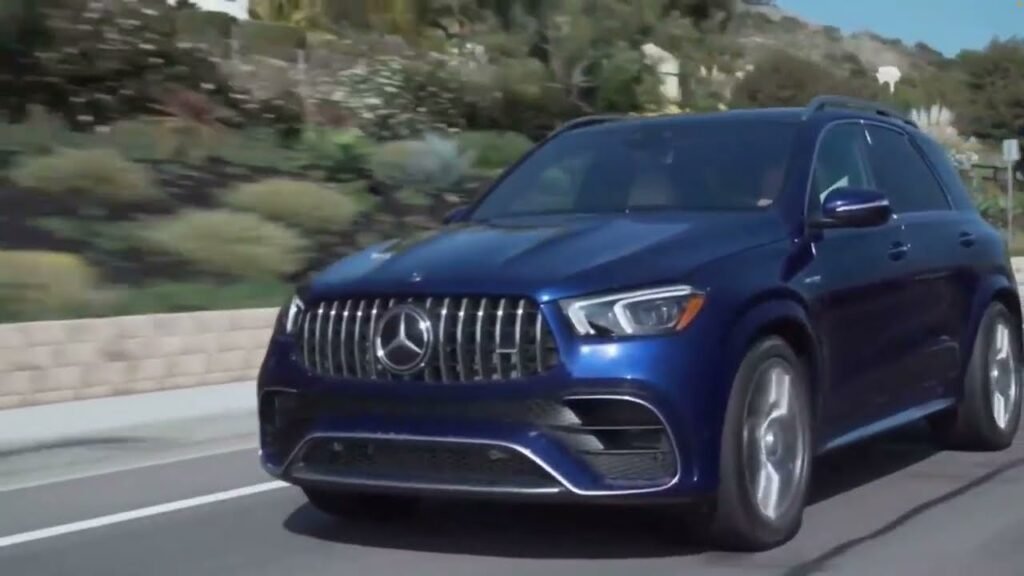
The range refers to the distance a vehicle can travel on a full charge. Range depends on several factors, including battery size, driving speed, road conditions, and weather. Cold temperatures and aggressive driving can reduce range, while smooth driving improves efficiency.
Modern Battery Electric Vehicle now offer ranges that easily support daily commuting and weekend travel. Advances in battery design and energy management systems continue to improve performance. As technology evolves, range anxiety is becoming less of a concern for most drivers.
Benefits of Using a Battery Electric Vehicle
The benefits of Battery Electric Vehicle ownership extend beyond fuel savings. BEVs operate quietly, produce no emissions, and deliver smooth acceleration. Electricity costs less than fuel, and maintenance needs are minimal because fewer parts can wear out.
Another major benefit is comfort. We offer instant torque, making acceleration quick and smooth. With fewer mechanical components, breakdowns are rare. These advantages make electric vehicles ideal for city driving, daily commuting, and long term ownership.
Environmental Impact of BEVs
The environmental impact is significantly lower compared to traditional vehicles. Do not release harmful gases such as carbon dioxide or nitrogen oxides while driving. This helps improve air quality and reduce health risks in urban areas.
Although battery manufacturing has an environmental footprint, the overall lifetime emissions and remain much lower than fuel vehicles. As renewable energy use increases, It’s become even more eco friendly and sustainable for the future.
Cost of Owning a BEV and Maintenance
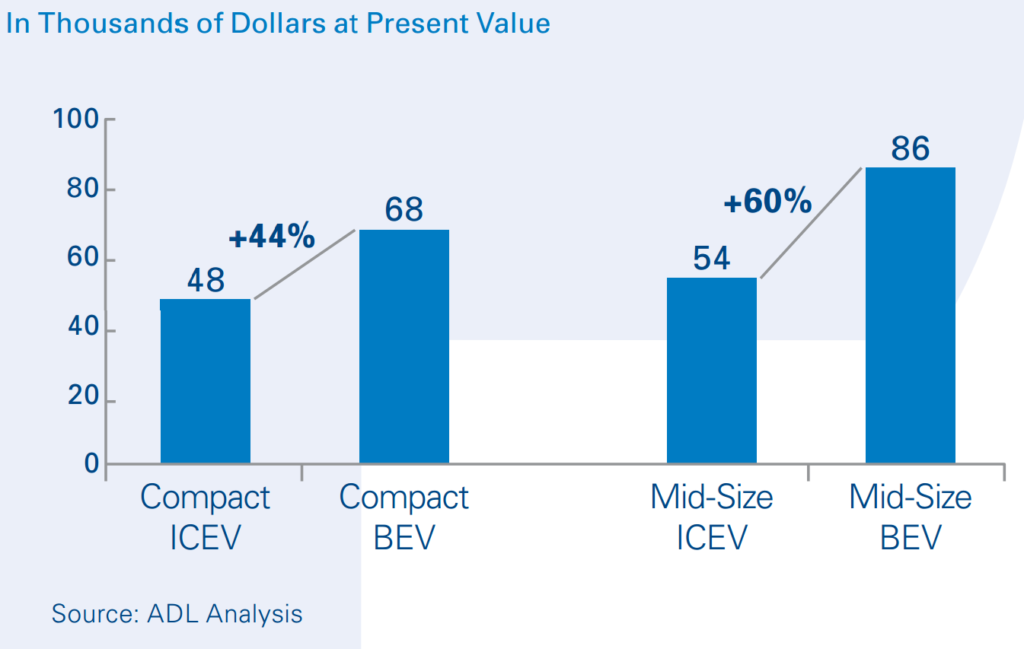
The cost of ownership is often lower than many people expect. While the upfront price may be higher, savings on fuel and maintenance quickly balance the cost. It does not require oil changes, exhaust repairs, or engine servicing.
Lower servicing costs and government incentives and more affordable over time. Many owners find that they save money within a few years of ownership, making a smart financial choice.
Popular BEV Models Available Today
There are many BEV examples available today across different price ranges and body types. The growing BEV cars list includes compact cars, family sedans, and luxury models. This variety allows buyers to choose a vehicle that fits their lifestyle and budget.
The global electric vehicle market continues to expand as manufacturers invest heavily in electric mobility. With more models released each year, consumers now have more options than ever before.
Challenges and Limitations of BEVs
Despite many benefits, there are still some disadvantages of BEV ownership. Charging takes longer than refueling, and charging stations may be limited in rural areas. Battery replacement can also be expensive after many years of use.
However, technology is improving rapidly. Faster chargers, better battery designs, and wider infrastructure coverage are reducing these challenges. Over time, these limitations are expected to become far less significant.
Government Support and Incentives for BEVs
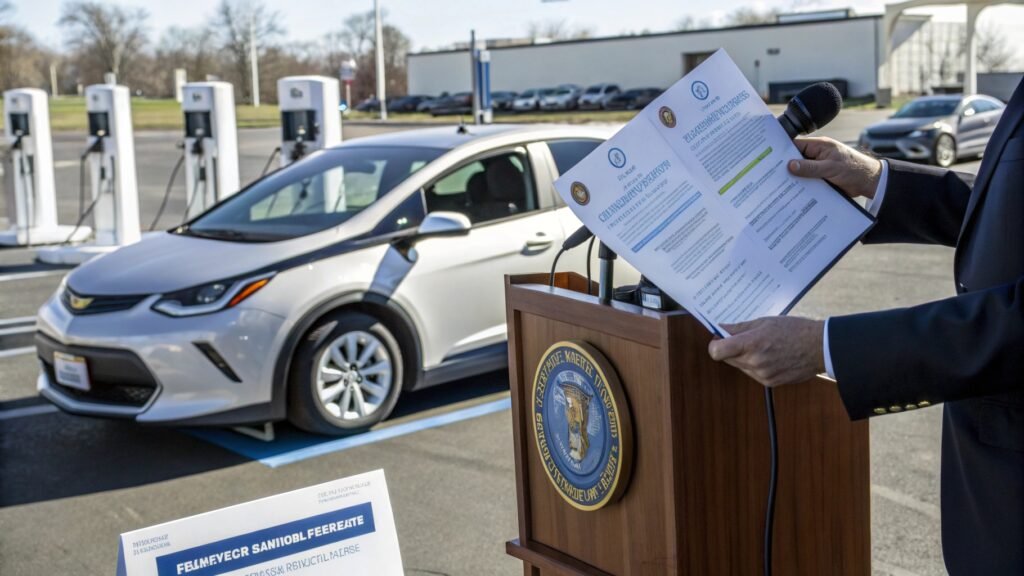
Governments around the world actively promote BEVs through tax credits, subsidies, and reduced registration fees. These incentives make electric vehicles more affordable and encourage adoption. Many countries also invest heavily in charging infrastructure.
Such policies play a major role in increasing the BEV adoption rate and supporting clean transportation goals. Government support continues to push the transition toward electric mobility.
Future of Battery Electric Vehicles
The BEV future looks very promising as technology continues to advance. Battery capacity is increasing, charging times are shrinking, and costs are falling. Automakers are investing heavily in BEV technology to meet growing demand.
As awareness of climate change increases, BEVs are expected to become the standard for personal transportation. The move toward electric mobility is no longer optional but an essential step toward a cleaner and more sustainable future.
FAQ’s
What is a BEV and why is it important for modern transportation?
A BEV, or Battery Electric Vehicle, runs entirely on electricity and produces zero tailpipe emissions. It plays a key role in reducing carbon output while supporting cleaner, more efficient mobility for both urban and long-distance travel.
How does a BEV differ from hybrid and fuel-based vehicles?
Unlike hybrids or ICE vehicles, a BEV relies solely on electric power with no fuel engine involved. This design improves energy efficiency, lowers maintenance needs, and supports long-term sustainability goals.
What factors influence BEV performance and driving range?
BEV performance depends on battery capacity, driving habits, road conditions, and climate. Advances in electric vehicle technology continue to improve range, power delivery, and overall driving efficiency.
Is charging infrastructure sufficient for BEV adoption?
Charging networks are expanding rapidly, with public and home-based solutions becoming widely available. Improved charging speed and accessibility are making BEVs more practical for everyday use.
Why are BEVs considered the future of mobility?
BEVs align with global clean energy goals, offer lower operating costs, and reduce environmental impact. Continuous innovation in battery technology and infrastructure is accelerating their adoption worldwide.
Conclusion
In conclusion, the future of transportation is clearly moving toward cleaner and smarter solutions, and the BEV stands at the center of this shift. With rising fuel costs and growing environmental concerns, a BEV offers a practical path toward sustainable mobility without sacrificing performance or comfort. Its reliance on electric vehicle technology allows drivers to enjoy quiet rides, lower maintenance, and reduced emissions. As charging networks expand and battery innovation improves, the battery electric vehicle becomes even more accessible for everyday use. Choosing a BEV today means investing in efficiency, innovation, and a greener tomorrow for generations ahead.



0 Comments